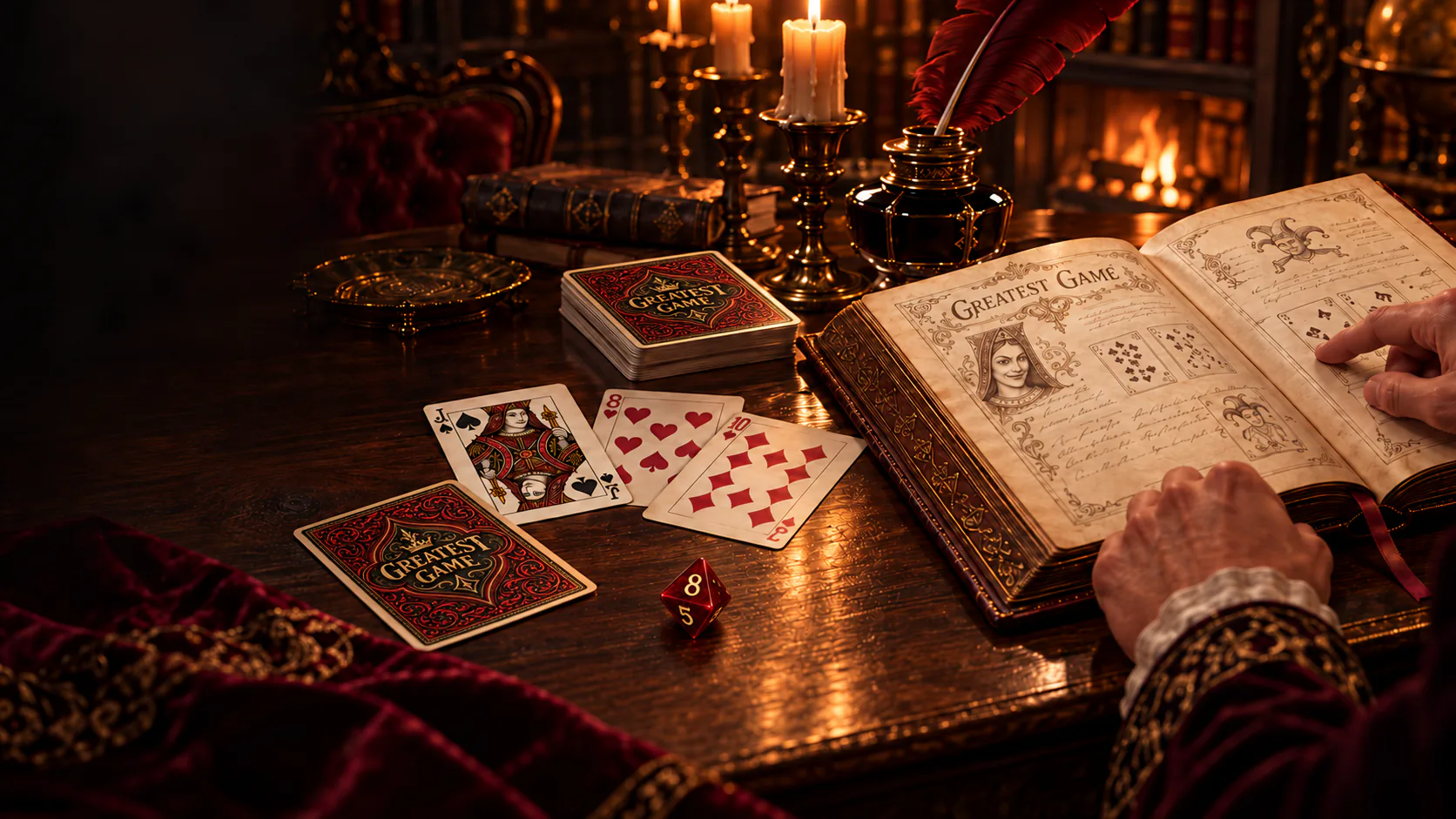
Greatest Game is played with ordinary playing cards. These rules take a new player from the first deal through the rulings a table uses when a play is disputed.
Rule 1The Object of Greatest Game
Greatest Game is a shedding card game played through eight personal stages.
Every player begins at Stage 8. The stages are 8, then 7, 6, 5, 4, 3, 2, and finally Ace.
Your current stage determines both how many cards are dealt to you when that stage begins, and which rank is wild for you.
To complete a stage, get rid of every card in your hand through legal play. When you complete a stage, you advance to the next stage and are dealt a new hand for that stage. Receiving that fresh hand counts as your turn; it does not let you play again immediately, even if your finishing play activated a Jack.
Players advance independently. Different players may therefore be on different stages at the same time and have different wild ranks.
Normally, completing Stage 2 advances you to the Ace stage, where you receive one card. You then finish by legally playing away your Ace-stage hand. The exception is a qualifying final-card Crowned Pardon on Stage 2, which wins immediately without dealing an Ace-stage hand (Rule 13.2).
Players finish in order. The first player to finish legally, normally by completing the Ace stage or through the Stage 2 Crowned Pardon exception, takes first place. Other players finish in turn. When only one unfinished player remains, that player takes the final place automatically.
Rule 2What You Need
Greatest Game uses ordinary 52-card decks. Jokers are not used.
- 1 deck for 2–4 players
- 2 decks for 5–8 players
- 3 decks for 9–12 players
Continue the same pattern for larger games: one complete deck for every four players, or fraction of four players.
Because games with multiple decks contain duplicate ranks and suits, identical-looking cards are still separate physical cards.
Each player also uses a Greatest Game d8 to track their current stage. Set every player's die to 8 at the beginning of the game. Each time that player completes a stage, turn the die to the next stage. The 1 face represents the Ace stage. The stage die is a tracker. It is not rolled, and it does not decide any play.
Rule 3Setup
- Choose a starting player by any agreed method.
- Seat the players in a turn order.
- Give each player a stage die.
- Set every stage die to 8 before play begins.
- Play begins clockwise unless the group deliberately chooses the opposite direction before dealing.
- Shuffle all decks being used together.
- Deal eight cards to every player.
- Place the remaining cards face down as the draw pile.
- Turn the next card face up to begin the discard pile.
All players begin at Stage 8, so 8s are wild for every player at the beginning of the game.
The opening face-up card has no special effect unless it is a 2, the Queen of Spades, or a Jack.
Rule 4The Stages
Each stage sets the size of the hand dealt when that stage begins, and the rank that is wild for the player on that stage.
| Stage | Stage die | Starting hand | Wild rank |
|---|---|---|---|
| Stage 8 | 8 | 8 cards | 8 |
| Stage 7 | 7 | 7 cards | 7 |
| Stage 6 | 6 | 6 cards | 6 |
| Stage 5 | 5 | 5 cards | 5 |
| Stage 4 | 4 | 4 cards | 4 |
| Stage 3 | 3 | 3 cards | 3 |
| Stage 2 | 2 | 2 cards | 2 |
| Ace Stage | 1 | 1 card | Ace |
The die shows the stage you are currently playing. Face 1 represents the Ace stage.
Players are not required to remain on the same stage.
Rule 5How a Turn Works
On your turn, your goal is to make a legal play from your hand. If you have one or more legal plays, choose one and make a legal play.
If you cannot make a legal play, draw one card at a time until you can. Every card you draw stays in your hand. A card you just drew may be used immediately as part of your play. At a physical table, once you can make a legal play, stop drawing. This is an honour-system rule; online play has a separately explained, limited extra-draw allowance.
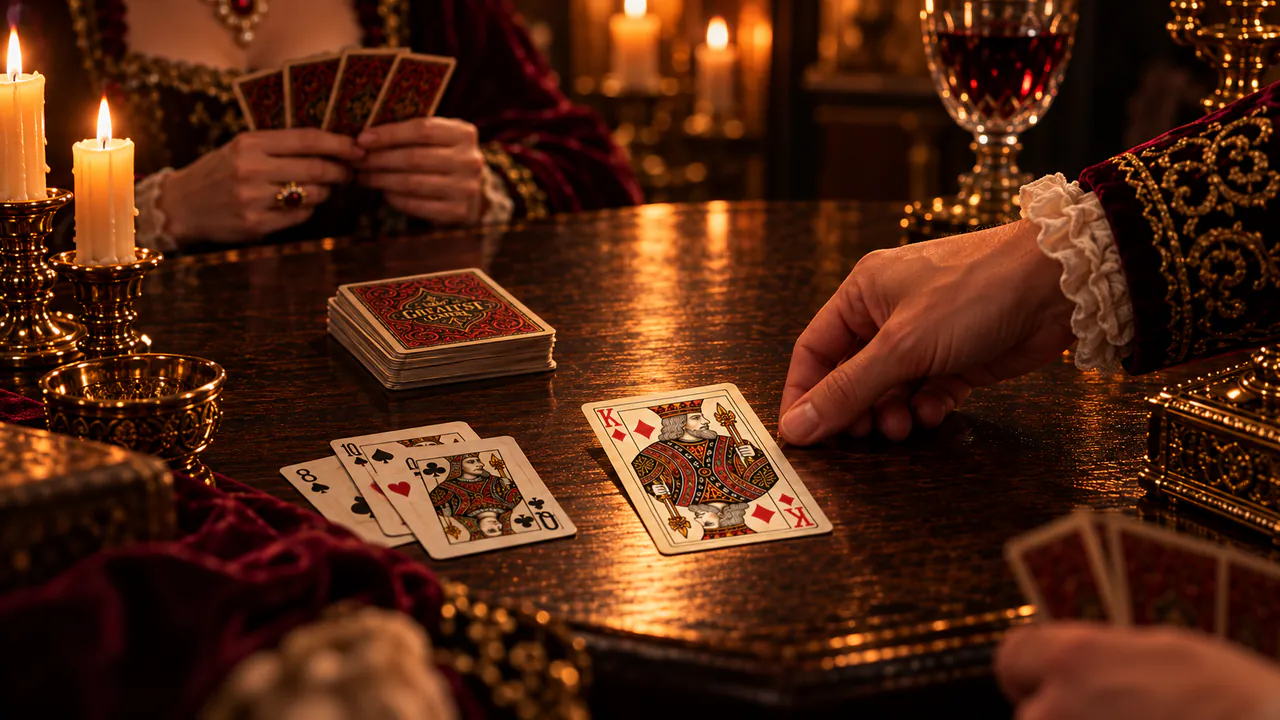
Your turn ends after your legal play has been completed and any special effects you chose to call have been resolved or handed to the next player. If no rule returns play to you, the next player then takes their turn in the current direction.
A normal turn does not allow unrelated plays to be placed one after another. Multiple cards played together must form one legal connected play, unless a Jack effect legitimately gives the same player another turn.
Rule 6What Makes a Play Legal
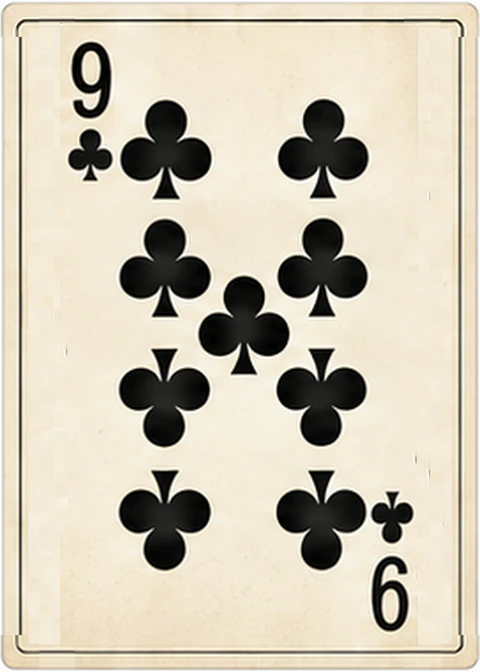
A single card is legal if its rank matches the top discard, its suit matches the top discard, or it is wild for the player making the play.
Top discard
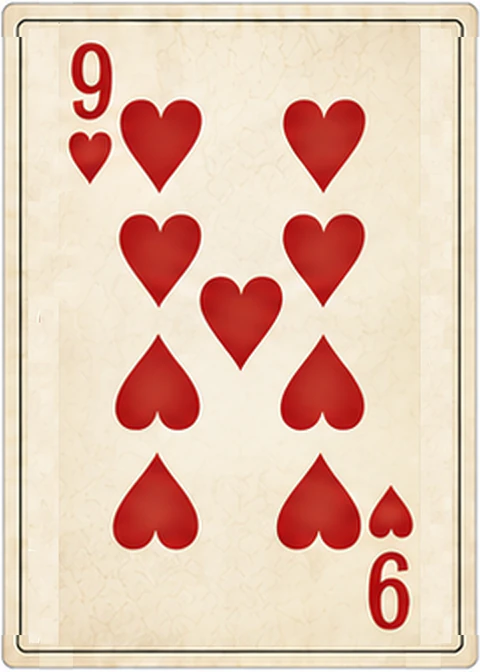
Examples you may play
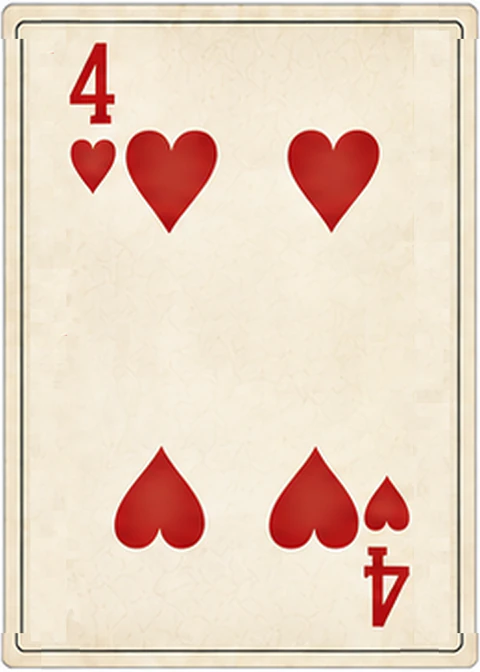
When you play more than one card, place the cards in the order you intend them to be read. That order is part of the play. The cards must form a legal sequence or connected combination in that order. You may arrange the cards in your hand before playing them, but once the play has been made and the next player acts, its order is fixed. A multi-card play must form a legal combination, described in the next rule. Simply sharing the same suit is not enough to play several unrelated cards.
The top discard can participate in determining whether the cards you add form a legal combination. The two topmost discards may also matter when they already form the beginning of a possible straight.
Rule 7Multiples, Straights, and Connected Plays
Cards played together must be a multiple, a straight, or combinations that connect through a shared card.
7.1Multiples
A multiple is two or more cards of the same effective rank.
A multiple
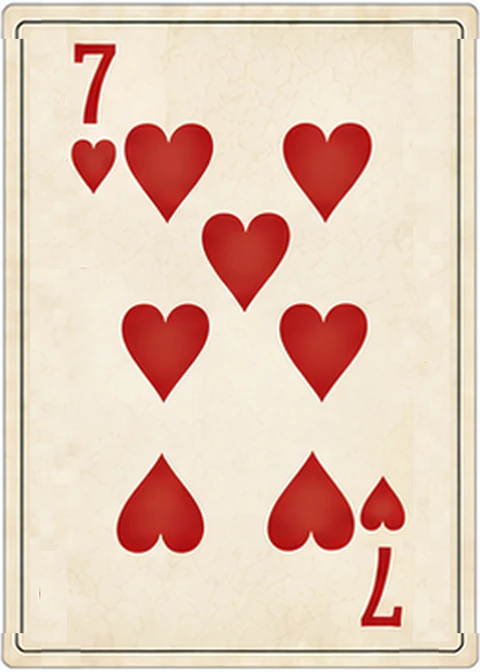
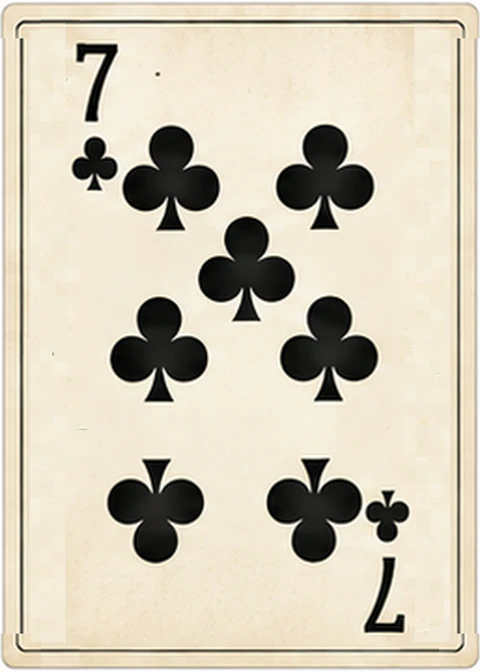
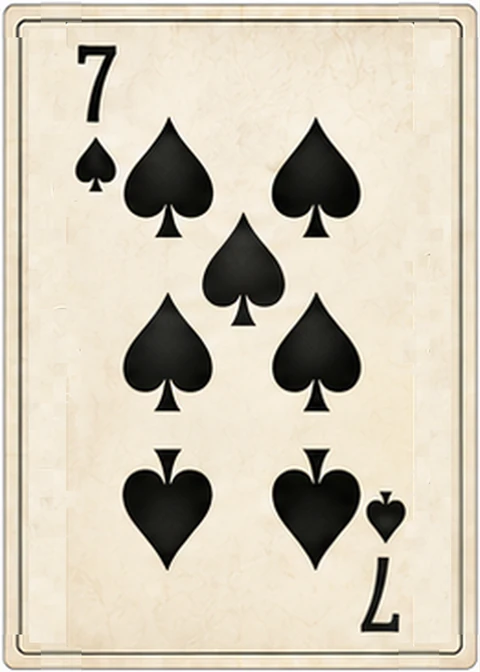
The top discard may be part of the multiple.
On the pile
You play
7.2Straights
A straight contains at least three consecutive effective ranks. Suits do not need to match.
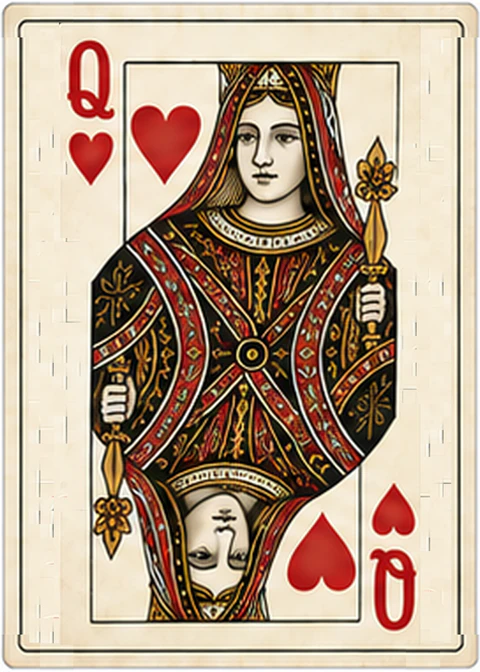
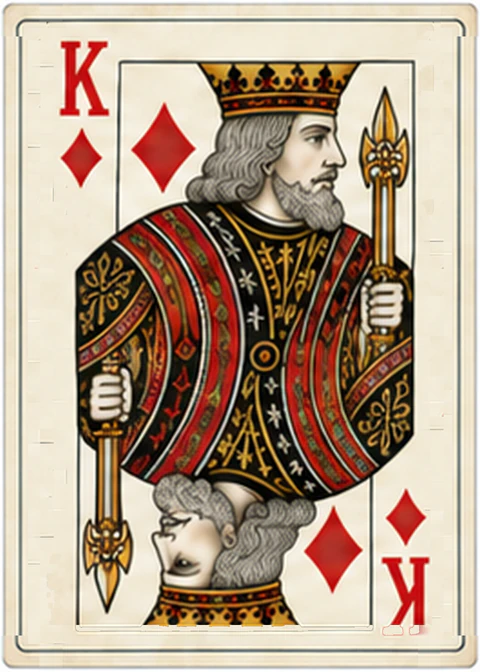
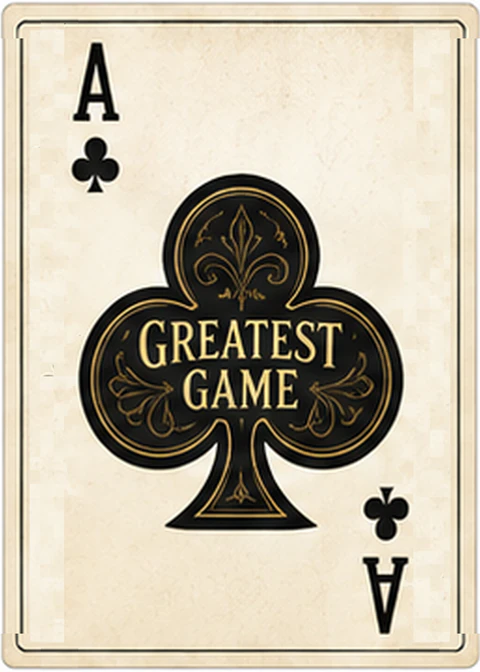
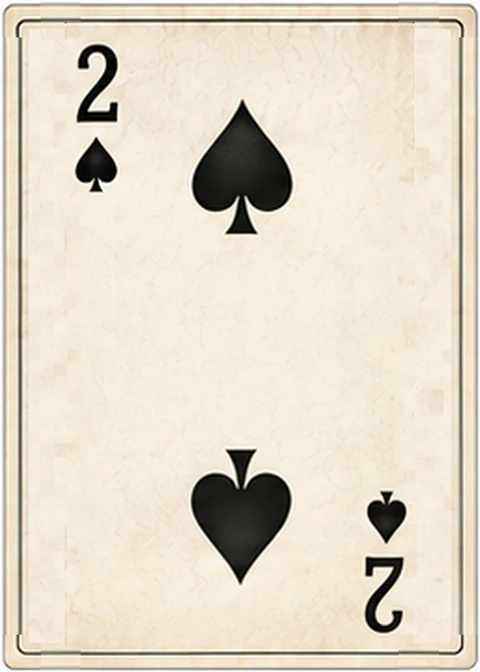
Rank order is circular: 2, 3, 4, 5, 6, 7, 8, 9, 10, Jack, Queen, King, Ace, then back to 2. Sequences may pass through Ace into 2.
A straight may change direction, but each directional section must itself reach at least three cards before turning.
Legal change of direction
7.3Building from the discard pile
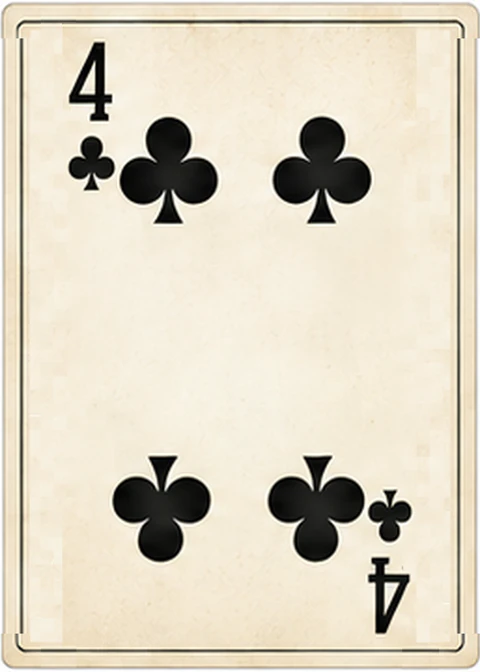
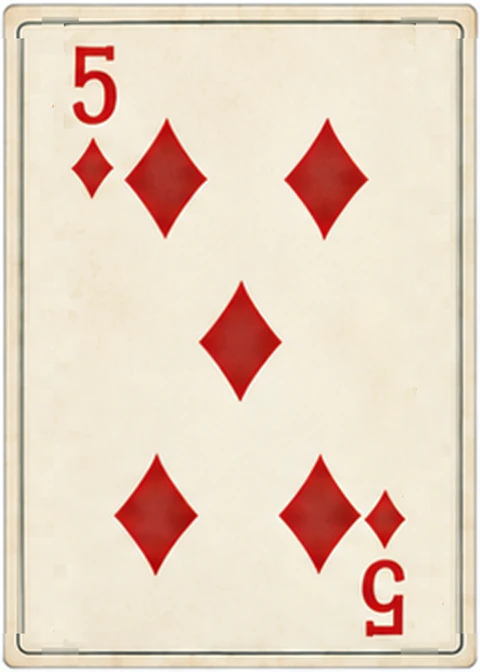
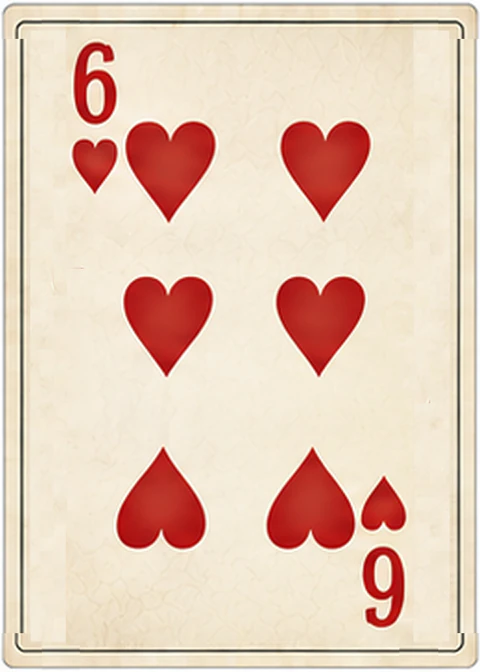
The exposed discard can help complete your combination. If the top two cards on the discard pile are 4 and 5, you may play a 6 to complete the straight 4–5–6, even if that 6 would not otherwise match the suit or rank of the top 5.
Exposed
You play
7.4Connected combinations
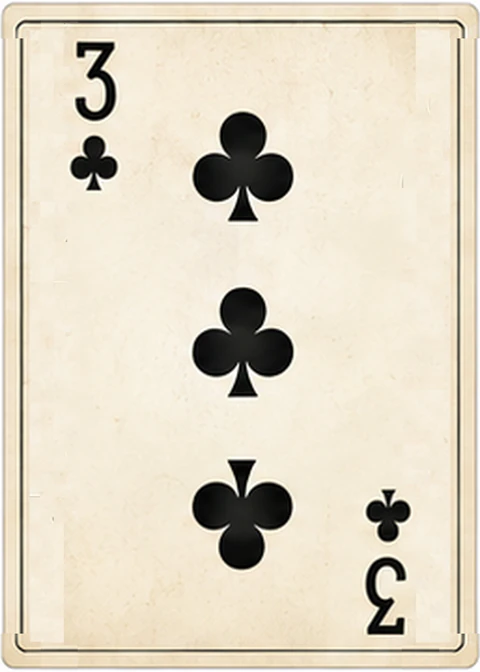
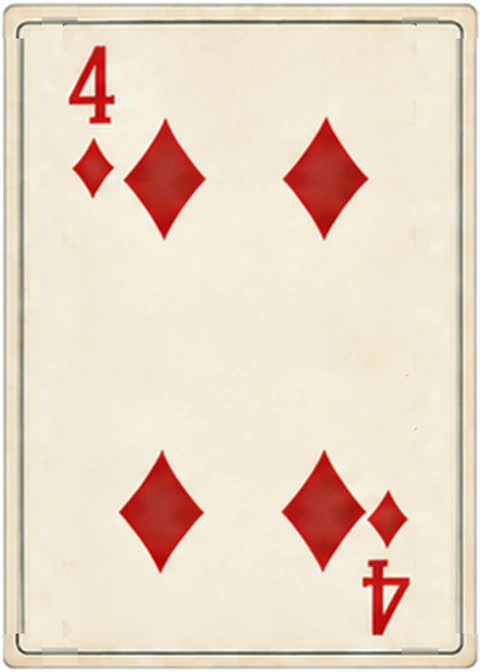
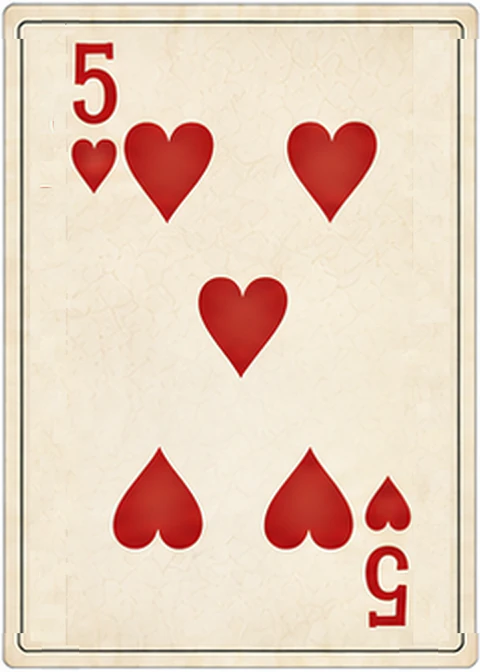
A single play may contain combinations joined through a shared card. The combinations must genuinely connect. Unrelated groups cannot be placed together with no shared connection.
Rule 8Wild Cards
Your current stage rank is wild for you. On Stage 8, all 8s in your hand are wild. On Stage 5, all 5s are wild. On the Ace stage, Aces are wild.
Because players may be on different stages, the same printed card may be wild for one player and ordinary for another.
8.1Declaring a wild
When playing one of your wild cards, you may use it as its printed rank and suit, as another rank, as another suit, or as another rank and suit. Unless you explicitly declare a change, the wild keeps its printed rank and suit; it never automatically copies the discard or a neighbouring card. Its effective identity is used when determining matches, multiples, and straights.
If you use a wild as something other than its printed identity, announce what the card represents when you play it.
A declared wild keeps that effective identity while it remains exposed as part of the discard pile. Players use that effective rank and suit when judging later matches and combinations.
Once the card is recycled into the draw pile, the declaration ends. If that card is drawn and played again later, it receives a new declaration if it is wild for that player.
A wild played alone is legal regardless of the top discard.
8.2Wilds do not gain printed powers
8.3The actual 2 during Stage 2
During Stage 2, printed 2s are themselves wild. A printed 2 still has its normal Draw 2 power as long as it is still being played as rank 2. Changing only its suit does not remove Draw 2. If you use that printed 2 as a different rank, it no longer produces Draw 2 for that play.
Rule 9Special Cards
Special effects are optional unless a rule specifically says otherwise. Playing the physical card does not force you to invoke its effect.
To use an optional special effect, announce the effect when you play the card or before the next player begins their play or draw. Once the next player has acted, an uncalled effect is lost. You do not need a set phrase. The table only needs to understand what you are calling, such as Draw 2, Draw 5, Skip, or Reverse.
Calling the effect is separate from merely playing the card. If you do not call the optional effect in time, the card remains a normal part of the completed play.
9.1Any printed 2 — Draw 2
A printed 2 may impose a Draw 2 penalty when played as rank 2. If called, the targeted player owes two cards unless the penalty is countered or cancelled.
9.2Queen of Spades — Draw 5
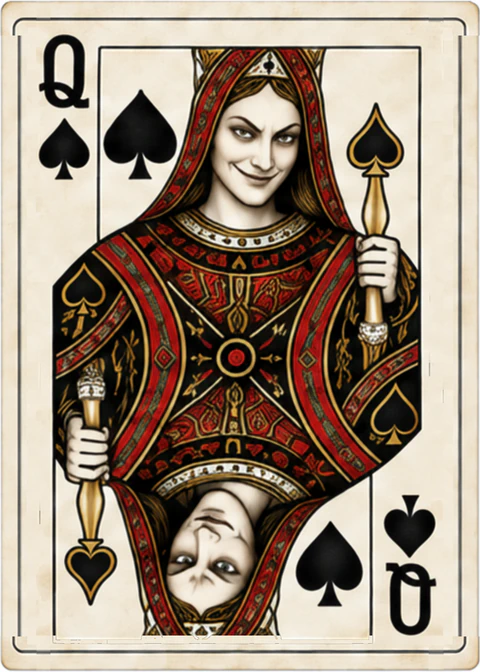
The printed Queen of Spades may impose a Draw 5 penalty. Only the actual Queen of Spades has this effect. A wild represented as the Queen of Spades does not gain Draw 5.
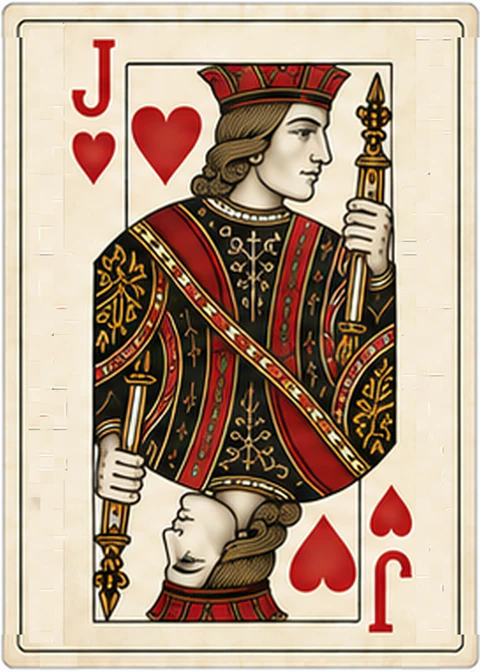
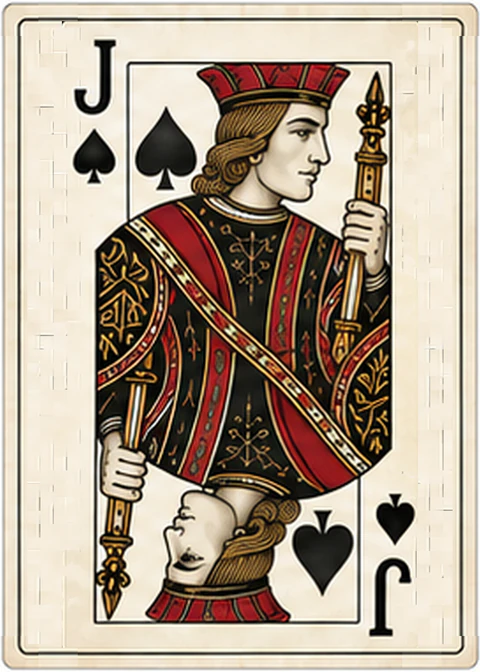
9.3Jack of Hearts and Jack of Spades — Skip
The Jack of Hearts and the Jack of Spades may Skip. If called, Skip moves over one additional player in the current direction.
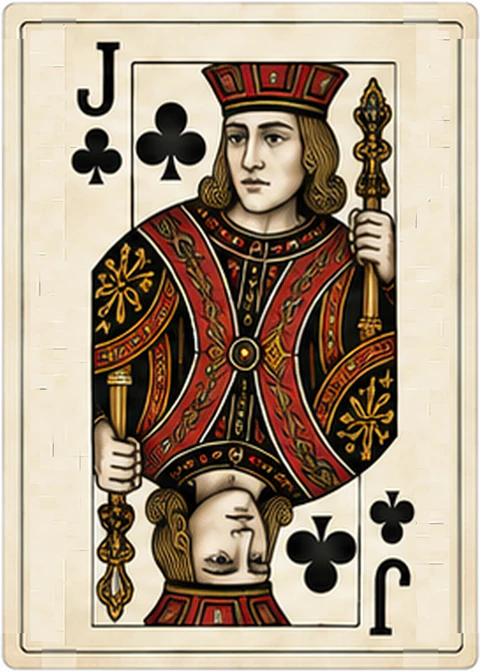
9.4Jack of Clubs and Jack of Diamonds — Reverse
The Jack of Clubs and the Jack of Diamonds may Reverse the direction of play.
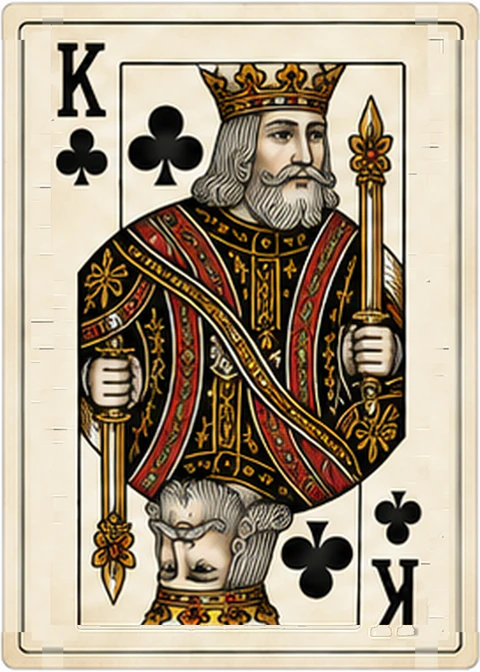
9.5King of Diamonds — Royal Pardon
The actual printed King of Diamonds has Royal Pardon while you are facing an unresolved draw penalty, before you begin taking its cards. Royal Pardon is a standalone royal decree: no other cards may be played with K♦ or placed over it as part of that turn. The King must remain exposed and respected, and play passes on from the King of Diamonds.
- It may be played even if the King of Diamonds does not match the current suit or rank.
- It must be played by itself.
- It cancels the entire active draw penalty.
- You draw nothing.
- It becomes the new top discard.
- It ends your turn.
9.6Multiple Jacks in one play
If a play contains more than one Jack and you choose to call Jack effects, call them in the order the Jacks appear in the play. You may stop calling Jack effects at any Jack. If you leave an earlier Jack uncalled, you may not then call a later Jack from that same play. This is one application of Rule 9.7: earlier eligible printed Draw 2 and Draw 5 effects also must be called before a later Jack effect can be called.
9.7Calling multiple special-card effects in order
When one legal play contains multiple eligible printed special cards, their optional effects must be called in the order those cards are played, across all effect types: Draw 2, Draw 5, Skip and Reverse. You may stop calling effects at any point, but you cannot leave an earlier eligible special-card effect uncalled and then activate a later one from that same play.
Ordinary cards between special cards do not interrupt the order or require a call. A printed card whose special effect is ineligible for that play, such as a Stage 2 printed 2 used as another rank, does not block a later eligible effect. Effects remain optional; the order rule does not make an illegal play legal or relax the penalty-counter rules. A late call must respect the same order before the next player plays or draws.
Rule 10Draw Penalties and Countering
Draw penalties accumulate until somebody takes the penalty or cancels it with Royal Pardon. A Draw 2 adds 2 cards. The Queen of Spades Draw 5 adds 5 cards. If several penalties are successfully stacked, add them together.
10.1Countering a draw penalty
The player currently targeted by a draw penalty has three choices.
- Play a legal penalty counter.
- Play the printed King of Diamonds as Royal Pardon.
- Take the entire penalty.
Once a player begins taking the penalty, it may no longer be countered.
10.2What counts as a penalty counter
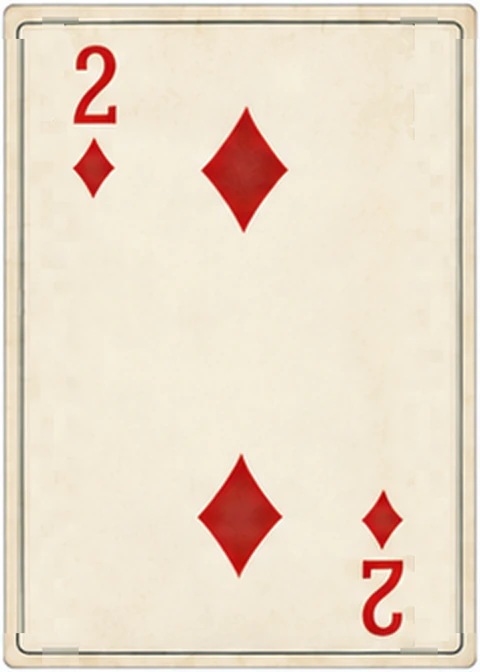
Ordinary penalty stacking must use an actual printed penalty card: a printed 2 that is still being played as rank 2, or the printed Queen of Spades. The latest contributing penalty card must still be exposed on top of the discard pile, and the countering penalty card must be the first card played so it physically touches that exposed penalty card. It must match that exposed penalty card by rank or suit.
Exposed penalty
A rank match
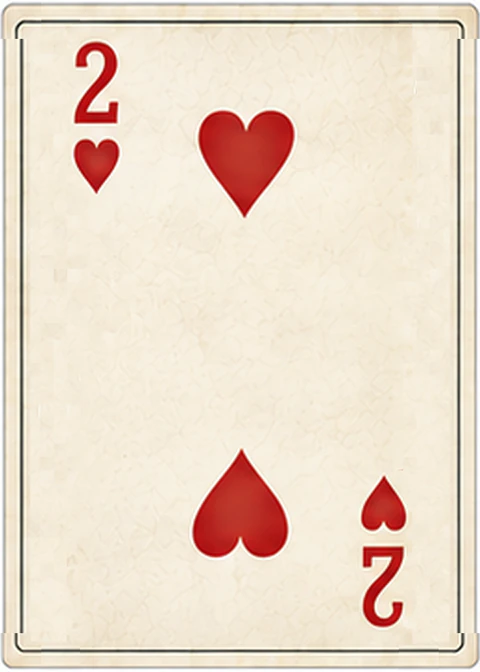
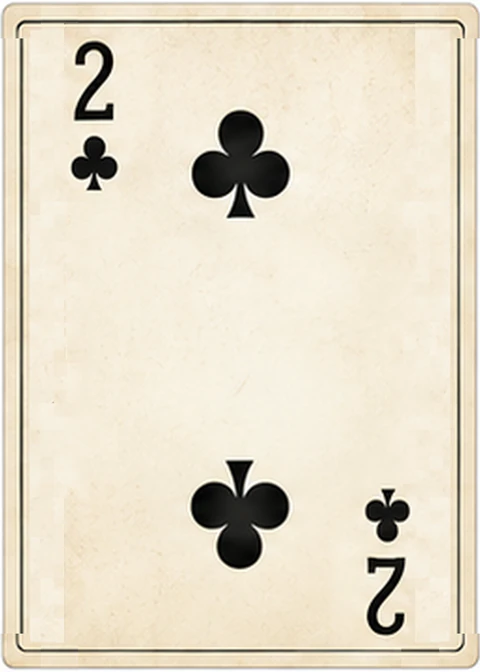
After the first countering card is legally placed, the same play may continue with additional cards when the complete ordered play is otherwise legal. For example, against an exposed activated 2♠, 2♦ (+2), 3, 4, 5 can be a legal countering run because the 2♦ touches the 2♠. A play such as 3, 4, 2♦ (+2), 5 is not a legal penalty counter because the 2♦ does not touch the exposed penalty card. If more than one Draw 2 or Draw 5 is activated in the same play, those activated penalty cards must form a continuous sequence at the start of the play, with each one directly touching and legally countering the activated penalty card immediately before it. Once play moves onto a card that is not adding to the draw penalty, no later card in that play may add another Draw 2 or Draw 5. A wild that only represents a 2 or the Queen of Spades is not a penalty card.
10.3The exposed penalty card
The most recently contributing penalty card must still be exposed on top of the discard pile for the next player to stack an ordinary Draw 2 or Draw 5. If a legal multi-card counter continues past that penalty card and leaves another card on top, the accumulated penalty remains active, but ordinary stacking is unavailable because the next counter cannot physically touch the buried penalty card. Royal Pardon remains available because it does not need to match.
10.4Taking the penalty
If you do not counter or use Royal Pardon, draw the full accumulated penalty. Taking a draw penalty uses that player's turn. After the full penalty has been drawn, play continues with the following player.
Rule 11Two-Player Jack Rules
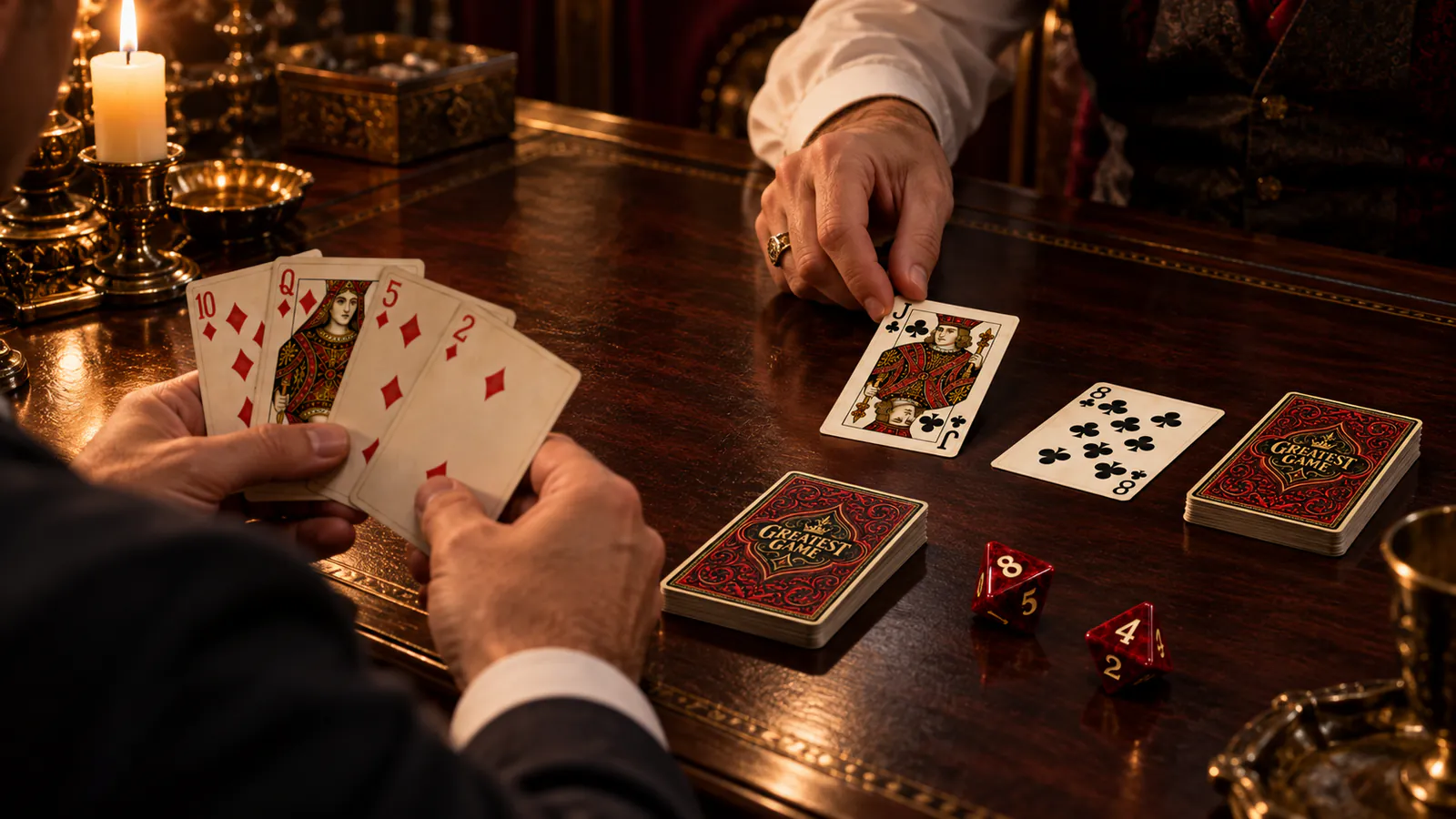
Jacks behave specially whenever exactly two players remain in the normal turn rotation. Each called Skip or Reverse Jack gives the player who called it one additional turn. This applies even if the game began with three or more players and later only two unfinished players remain.
- A called Jack of Hearts or Jack of Spades returns play to you.
- A called Jack of Clubs or Jack of Diamonds also returns play to you.
- Each called Jack grants one extra turn.
If you call two qualifying Jacks in their play order, you earn two extra turns. An extra turn may be used immediately as another legal play after the Jack play, or retained as the next turn that would otherwise pass to the opponent. An extra turn cannot be used twice. When other eligible special cards occur earlier in the same play, their effects must also have been called first under Rule 9.7.
Whenever three or more players remain in the normal turn rotation, use normal Skip and Reverse movement instead of the two-player extra-turn rule.
For example, in a final 10–Jack–Queen–King run, activating the Jack does not stop you from going out. The Jack effect still applies, including Reverse direction, but receiving a fresh hand for the next stage consumes your turn rather than granting another extra turn.
Rule 12Last Card
When a legal play reduces your hand from more than one card to exactly one card, you must call Last Card.
You may call it as part of that play or while you still retain control of the turn.
You can declare Last Card by saying “Last Card” aloud or by knocking twice on the table. When knocking, knock twice before placing your card or cards on the discard pile.
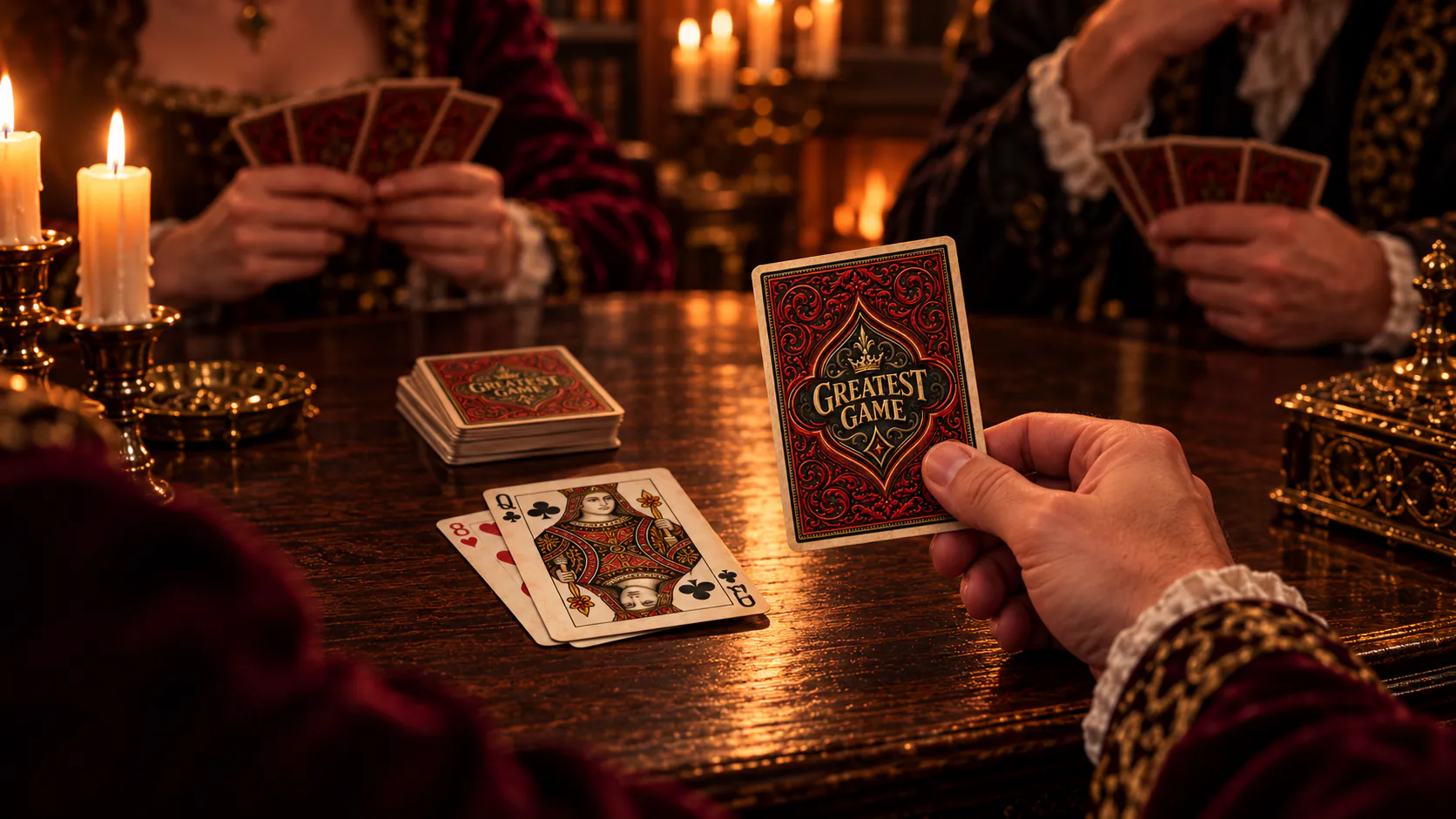
If a Jack gives you another turn and you still have one card, opponents cannot challenge you until your control actually passes to another player.
12.1When Last Card is not required
You do not need to call Last Card when one play takes you directly from two or more cards to zero, when you already had one card and play it to reach zero, or when you are dealt the single card that begins the Ace stage.
Last Card is triggered by playing down to one card, not merely by having one card.
12.2Missing the call
If you end your control while still holding exactly one card and have not called Last Card, another player may challenge you. A successful challenge makes you draw 2 cards.
12.3A late call
Before someone successfully challenges you, you may still call Last Card. If you call it first, the challenge is no longer valid. If another player successfully challenges first, the late call is too late.
12.4Returning above one card
If you still retain control and draw back above one card before becoming challengeable, that one-card period ends and there is no Last Card challenge for it.
Rule 13Completing a Stage
You complete your current stage when you legally empty your hand. Only the player who completed the stage receives a new hand. Every other player keeps their current hand and current stage. Players do not all advance when one player completes a stage. Each player’s stage progression is independent.
Turn that player's stage die to the new stage before dealing the new hand. The newly dealt hand begins the next stage, and the new stage immediately determines the new wild rank. After the stage completion is settled, normal play continues with the next player unless another rule changes who plays next.
- After Stage 8, deal 7 cards for Stage 7.
- After Stage 7, deal 6 cards for Stage 6.
- After Stage 6, deal 5 cards for Stage 5.
- After Stage 5, deal 4 cards for Stage 4.
- After Stage 4, deal 3 cards for Stage 3.
- After Stage 3, deal 2 cards for Stage 2.
- After Stage 2, turn the stage die from 2 to 1 and deal 1 card for the Ace stage. Face 1 represents the Ace stage.
13.1Going out on Draw 2 or Draw 5
If the card that empties your hand also creates a called Draw 2 or Draw 5 penalty, your stage completion waits until that penalty has been resolved. Once the penalty is resolved or cancelled, the stage completion is finalized. This prevents the outcome of the penalty from being ignored merely because the penalty card also emptied a hand.
13.2Crowned Pardon
If the actual printed King of Diamonds is your very last card and you play it alone as Royal Pardon against an active Draw 2, Draw 5, or legally stacked pickup penalty that targets you, it cancels the entire penalty and completes your stage. On Stages 8 through 3, you advance one additional stage, for a total of two stages. On Stage 2 and Ace, the qualifying Crowned Pardon wins the match instead of dealing another hand.
A Crowned Pardon from Stage 8 reaches Stage 6; from Stage 5 it reaches Stage 3; and from Stage 3 it reaches the Ace stage. From Stage 2, it skips the Ace stage and wins the game immediately; a qualifying Ace-stage Crowned Pardon is also a winning final play. If another card remains in your hand, your stage does not advance. A wild represented as K♦ and any other King do not qualify. The ordinary Royal Pardon still cancels the penalty as usual.
Rule 14Winning the Game
Normally, Stage 2 is not the end of the game: after Stage 2 you receive one card and enter the Ace stage. A Crowned Pardon as your last card from Stage 2 is the exception; it skips the Ace stage and wins immediately.
Normally, you finish when you legally play away your Ace-stage hand and reach zero cards. A qualifying Crowned Pardon played from Stage 2 is the exception and also finishes the game. The first player to complete the game finishes first.
Finished players leave normal turn rotation. The remaining players continue to determine the remaining places. When only one unfinished player remains, that player automatically receives the final place. They do not need to empty their remaining hand.
Rule 15When the Draw Pile Runs Out
If a player must draw and the draw pile is empty, recycle the discard pile.
- Leave the current top discard in place.
- If the second-from-top discard and the top discard are consecutive ranks that could be extended into a three-card straight, leave both cards in place.
- Shuffle all other discard cards to form the new draw pile.
- Continue the same turn or penalty exactly where it left off.
15.1If there still are not enough cards
If a draw is required and recycling the discard pile still provides no drawable card, add one complete fresh 52-card deck, shuffle it into the draw pile, and continue.
Do not cancel the turn, a draw penalty, the current play, or a pending stage completion. If necessary, additional complete decks may be added again later.
Rule 16Detailed Rulings and Edge Cases
These rulings settle disputes. They do not change the rules above.
ASame suit does not make a multi-card dump legal
3♥ and 9♥ cannot be played together on 7♥. They do not form a multiple, a straight, or a connected combination.
BMore than four of one rank
In multi-deck games, five or more cards of the same rank can form a legal multiple.
CThe top discard joins a multiple
7♣ on the pile, followed by 7♥ and 7♠, is legal.
DThe top two discards may begin a straight
With 4 and 5 exposed on top, playing a 6 may complete 4–5–6.
ECircular rank order
King–Ace–2 is a valid consecutive sequence.
FDirection changes inside straights
Queen–King–Ace–2–Ace–King is legal. Queen–King–Ace–2–Ace is not.
GConnected combinations
3–4–5–5–5–6–7 is legal because the combinations connect through shared 5s.
HWilds do not manufacture special powers
A wild declared as a Jack does not Skip or Reverse. A wild declared as the Queen of Spades does not create Draw 5. A wild declared as the King of Diamonds does not Royal Pardon. A wild declared as a 2 does not Draw 2 unless it is an actual printed 2 still being played as rank 2.
IA natural Stage-2 printed 2
A printed 2 on Stage 2 remains eligible for Draw 2 if its rank stays 2, even if its suit is changed using its wild ability. If its rank is changed away from 2, Draw 2 is lost for that play.
JGoing directly to zero
A player who goes from two or more cards directly to zero does not owe a Last Card call.
KThe Ace-stage starting card
The one-card hand dealt at the beginning of the Ace stage does not require a Last Card declaration.
LA Jack extra turn and Last Card
If a two-player Jack gives you another turn while you have one card, you still owe Last Card, but your opponent cannot challenge until you actually give up control.
MLast Card challenge timing
A player who forgot Last Card can still make the call until somebody successfully challenges, or until the next player plays or draws.
NA penalty card buried by the rest of a play
If a Draw 2 or Draw 5 is called during a legal multi-card play but another card from that same play ends up above the penalty card, the penalty remains active. Ordinary stacking is unavailable because the contributing penalty card is buried. The targeted player must take the accumulated penalty or use Royal Pardon.
OGoing out on a draw penalty
If a player empties their hand using a called Draw 2 or Draw 5, that player's stage completion waits until the penalty is settled.
PFace-up going-out penalty draws
When resolving the draw-penalty cards created by a player going out on that penalty, those penalty cards are drawn face up. If one of those face-up penalty draws reveals a printed 2, add 2 more cards to that draw. If it reveals the Queen of Spades, add 5 more cards. Continue until the full resulting amount is drawn.
Ordinary penalty draws that stay hidden do not grow in this way.
QRoyal Pardon during any accumulated penalty
The printed King of Diamonds cancels the entire active amount, not merely the most recent Draw 2 or Draw 5. If it is your last card, see Crowned Pardon in section 13.2.
RSpecial effects are optional
A printed special card may be played without calling its special power if the play is otherwise legal.
SThe opening penalty card
An opening 2 applies its Draw 2 penalty to the starting player. An opening Queen of Spades applies its Draw 5 penalty to the starting player. An opening Jack of Hearts or Jack of Spades forces Skip, so the chosen starting player is skipped. An opening Jack of Clubs or Jack of Diamonds forces Reverse before play begins. With exactly two players in the turn rotation, that Reverse skips the chosen starter and the other player goes first. With three or more players in the turn rotation, the direction reverses but the chosen starter still goes first. An opening Jack has no call and grants no Jack extra turn. Any other opening card has no special effect.
TA wild declaration persists while exposed
A declared wild keeps its effective identity while it remains exposed in the discard pile. Its declaration ends when the card is recycled.
UAn uncalled special effect expires
If a player plays an optional special card without calling its effect, the effect may still be called until the next player plays or draws. After that, the opportunity is gone.
Rule 17Quick Card Reference
These are the printed cards with optional special effects, plus the wild rank of your current stage. Declaring a wild to be one of these cards does not give the wild that card’s printed ability.
Any printed 2 — Draw 2
Any printed 2
Queen of Spades — Draw 5
J♥ / J♠ — Skip
J♣ / J♦ — Reverse
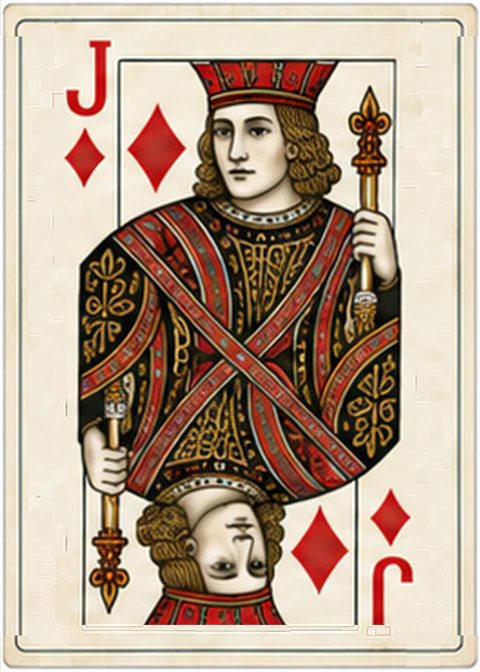
K♦ — Royal Pardon
Current stage rank — Wild
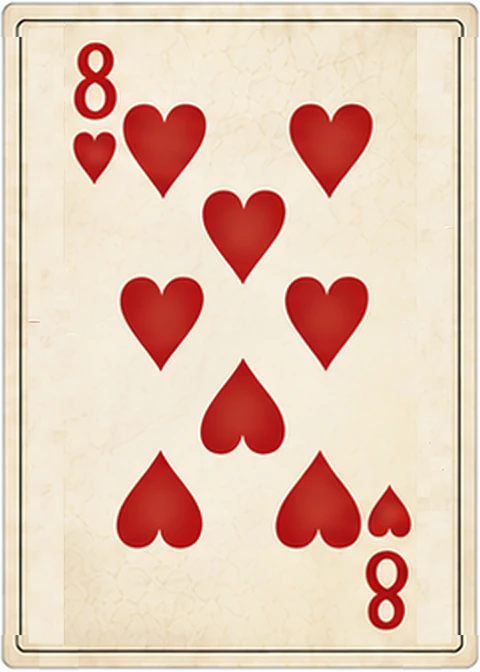
Example: Stage 8
Rule 18Glossary
Short definitions for the words used in these rules.
- Stage
- One of the eight personal levels: 8, 7, 6, 5, 4, 3, 2, Ace.
- Stage die
- The d8 used to show a player's current stage. Faces 8 through 2 represent those numbered stages; face 1 represents the Ace stage.
- Wild
- A card whose printed rank matches your current stage and which may be given another effective rank, suit, or both for that play.
- Effective rank / effective suit
- The rank or suit a wild is being used as for the current play.
- Discard pile / play pile
- The face-up pile on which legal plays are made.
- Draw pile
- The face-down cards available to draw.
- Multiple
- Two or more cards of the same effective rank.
- Straight
- At least three consecutive effective ranks.
- Connected play
- A multi-card play made from combinations that legally connect through shared cards.
- Draw penalty
- An accumulated Draw 2 / Draw 5 obligation that must be countered, cancelled, or taken.
- Counter
- A qualifying printed penalty card played against an active draw penalty.
- Royal Pardon
- The printed King of Diamonds ability to cancel the entire active draw penalty.
- Crowned Pardon
- A final-card Royal Pardon that also advances you one additional stage, or wins immediately from Stage 2.
- Last Card
- The required declaration when a legal play reduces your hand from more than one card to exactly one.
- Direction
- The clockwise or counterclockwise direction in which turns currently travel.